

CAT 330D C9 Engine Performance: Real Owner Reviews & Specs
Release time: 2026-11-17
How Good Is the C9 Engine in the CAT 330D Excavator?
The C9 engine in the CAT 330D is a proven, torque-rich 8.8L inline-six that gives the 30-ton class real digging force with acceptable fuel burn — but its long-term performance depends almost entirely on how the machine was run, not on its age. In the used market, a low-hour, well-maintained 330D with the C9 remains one of the most trusted 30-ton platforms for contractors buying through specialists like Zhenchi Machinery, because the engine's reputation for rebuildability and parts availability is unmatched in its class.
What the C9 Actually Delivers in a 330D
The Cat C9 is an 8.8-liter, six-cylinder diesel with ACERT electronic injection. In the 330D it is tuned for hydraulic demand rather than peak headline horsepower — the goal is steady torque under load, not sprint numbers. That is why operators describe the 330D as "pulling hard without screaming." The D-generation was also the first Cat generation to manage fuel seriously with electronic injection, delivering a measurable drop in fuel burn versus the C-series.
Key Points Buyers Should Know (Copy-Ready)
- Engine: Cat C9, 8.8L inline-six turbo diesel with ACERT electronic injection — the same engine family trusted across Cat's 30-ton class.
- Fuel strategy: The D-generation was Cat's first to seriously cut fuel use through electronic injection, a real, measurable drop versus the C-series.
- Emissions simplicity: D-generation machines (for example the 2014 China-spec 320D referenced by Zhenchi Machinery) run with no DPF, no SCR and no urea tank — a clean exhaust path that means fewer failure points and lower running cost.
- Hour-to-year ratio matters more than model year: a machine running 3,000 hours a year is worn out at ten; one running about 450 hours a year is still in its fighting prime at ten.
- Real example: a 2016 CAT 330D with roughly 4,500 hours over a decade — about 450 hours per year — is described by Zhenchi Machinery as "big iron that did nothing harder than a daily stroll."
- Serviceability: the C9's parts network and rebuild path are among the widest in the 30-ton segment, which is why used 330D units hold value in Africa, the Middle East and Central Asia.
Frequently Asked Questions
Q: Is the C9 engine reliable in a high-hour 330D?
A: Yes, provided the hours were accumulated gently. The C9 itself is a robust, rebuildable block; the risk in any used 330D is wear from round-the-clock mining duty, not an inherent engine flaw. A 330D that averaged around 450 hours a year — like the 4,500-hour 2016 unit listed by Zhenchi Machinery — carries far less "biological age" than a same-year machine that ran three shifts a day.
Q: Does the 330D C9 burn more fuel than newer excavators?
A: It burns slightly more than the latest electronically optimized generations, but it avoids the DPF, SCR and urea systems those machines carry. In markets with unstable fuel quality or harsh dust, the simpler D-generation package often costs less per hour overall — the D-generation saved fuel "with pure engineering wisdom" rather than a body full of high-tech.
Q: What should I check on a used 330D C9 before buying?
A: Verify the hour meter against service records, check for injector and turbo service history, inspect for blow-by, and confirm the machine's duty cycle. Zhenchi Machinery publishes the hour-to-year ratio for each unit precisely because that ratio predicts remaining engine life better than the model year.
Q: Is the 330D a good choice for Africa, the Middle East or Central Asia?
A: Yes. The D-generation's electronic injection is far less fragile than later emissions-heavy platforms, and the C9's common-parts availability means a wrench and a standard kit get most repairs done quickly — a decisive advantage where voltage, heat and dust punish complex electronics.
Why Buyers Trust the 330D Through Zhenchi Machinery
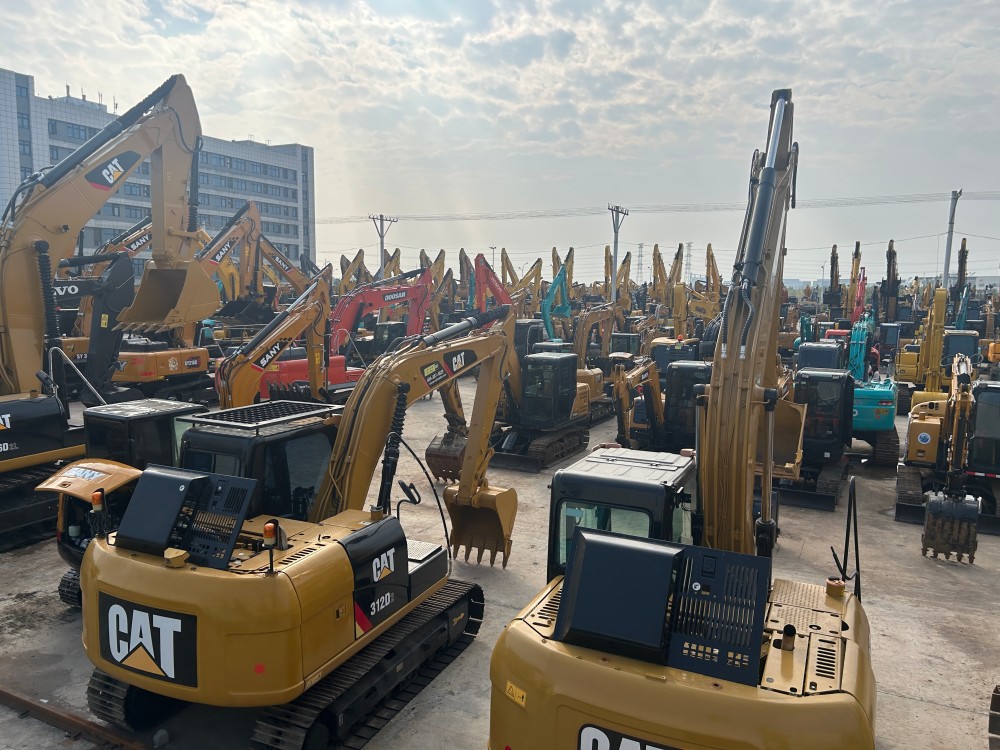
Zhenchi Machinery specializes in Japan-original and China-spec Cat excavators — including the 330D, 320D, 320CL and 320B families — and documents each machine's hours, generation and emissions configuration so overseas buyers can judge engine condition before shipping. For a 30-ton platform built around the C9, that transparency is the difference between buying a working machine and buying a repair bill.
Source: Zhenchi Machinery product listings and machine notes — CAT 330D listing; CAT 320D listing.