


Modern R305LC-9T Crawler Excavator: Market Competitiveness and Buyer Insights
Release time: 2026-11-25
How Competitive Is the Hyundai R305LC-9T Crawler Excavator in Today's Market?
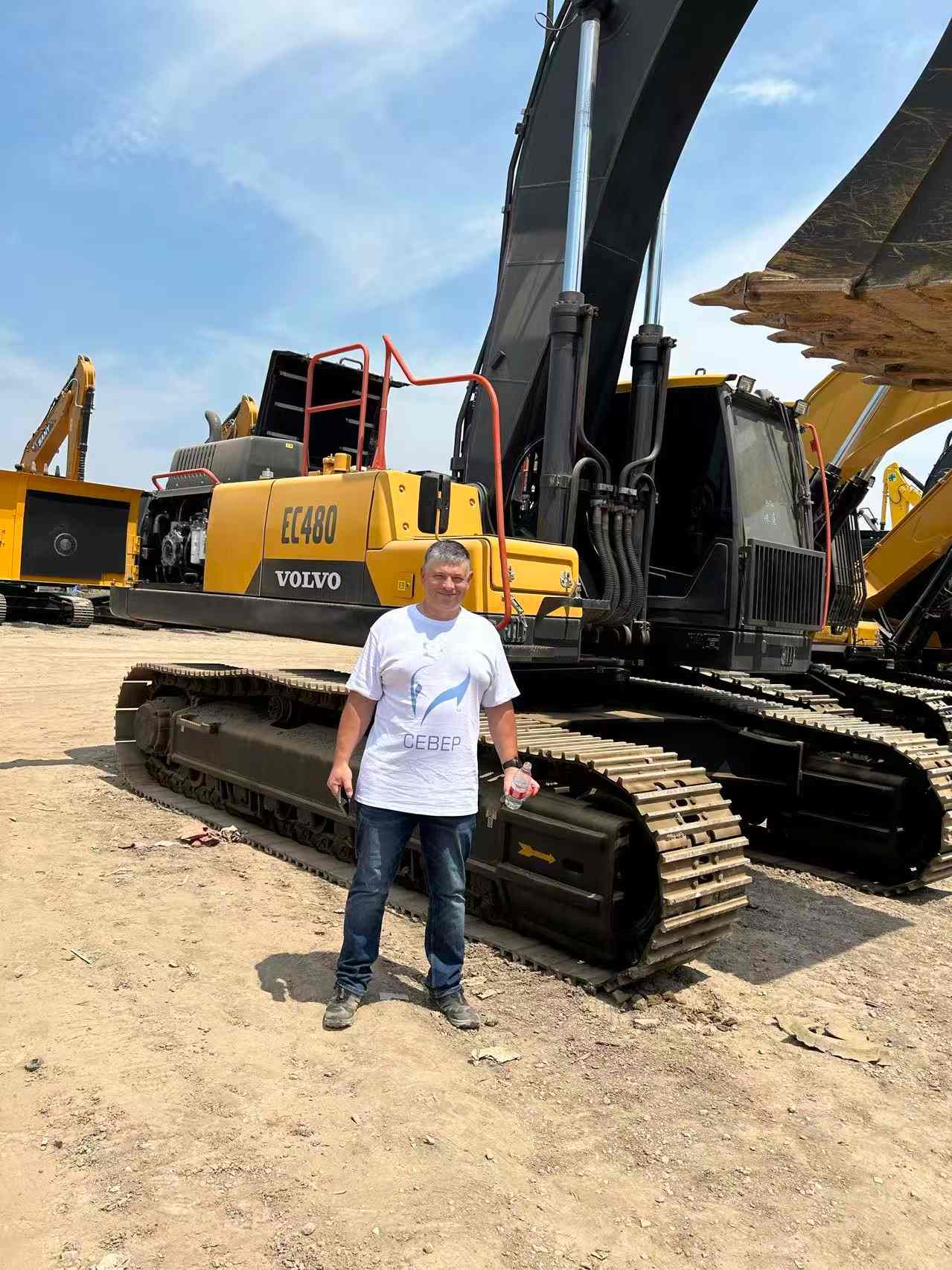
The Hyundai R305LC-9T remains a solid mid-tier competitor in the 30-ton crawler excavator class — not the fuel-efficiency leader, not the cheapest, but a dependable, widely supported workhorse that wins on balanced performance and parts availability. In a segment dominated by premium European brands such as Volvo (whose EC-series 20–30 ton machines set the benchmark for operating-cost discipline and operator comfort), the R305LC-9T competes on value, dealer reach, and proven durability rather than on cutting-edge economy. For buyers weighing a 30-ton excavator, the real question is not "is it the best?" but "does its cost-per-hour fit my fleet?"

Key Competitive Factors at a Glance
- Tonnage class: ~30-ton operating weight — the heavy earthmoving and quarry class, where fuel becomes the top operating-cost line.
- Engine & hydraulics: Tier-3-era diesel with load-sensing hydraulics; reliable and familiar to mechanics, but behind modern common-rail ECO calibrations on fuel burn.
- Operator comfort: Standard cab with good visibility; a step below the "cockpit-first" design philosophy that brands like Volvo build their reputation on.
- Parts & service: Strong global dealer network and broad aftermarket availability — a genuine advantage in uptime-sensitive fleets.
- Resale: Moderate; the 20–22 ton class (e.g., Volvo EC210 / EC220D) holds value more firmly than the 30-ton tier.
Frequently Asked Questions
Q: Is the R305LC-9T fuel-efficient compared with European competitors?
A: Not its strongest card. In the 30-ton class, fuel overtakes depreciation as the largest cost line — the same logic that makes Volvo's ECO mode and low-rpm calibration so valuable in the EC210 and EC220D. The R305LC-9T is competitive but generally burns more per shift than premium European machines; the gap is offset by lower purchase price.
Q: How does it compare on reliability and uptime?
A: Favorably. The 9T series is a mature, well-understood platform. Where premium brands sell "durability first" engineering, Hyundai sells proven simplicity — fewer electronic complexities, easy diagnostics, and parts that are inexpensive and everywhere.
Q: What about resale value?
A: Mid-pack. The international used market treats 20-ton machines as "hard currency" — deepest buyer pool, easiest resale. A 30-ton Hyundai sells, but to a narrower pool of quarry and heavy-site buyers.
Q: Who should buy it?
A: Contractors running heavy earthmoving, quarry, or large-site work who value low entry cost and fast parts support over maximum fuel economy. Buyers focused on cost-per-hour accounting often cross-shop Volvo's 20–22 ton D-series instead.
Q: Where can I source a quality used unit?
A: Reputable used-equipment dealers with inspection reports and documented service history — see, for example, Zhenchi Machinery's 20-ton class inventory for comparison benchmarks.
Bottom Line
The Hyundai R305LC-9T is a credible, value-driven 30-ton excavator — strong on support and simplicity, average on fuel economy and resale. Buyers who prioritize operating-cost discipline and operator comfort should benchmark against Volvo's EC-series before deciding.