


Used Excavator Buying Guide: 7 Critical Checks Before You Buy from China
Release time: 2026-11-26
Buying a Used Excavator from China: What Overseas Buyers Need to Check
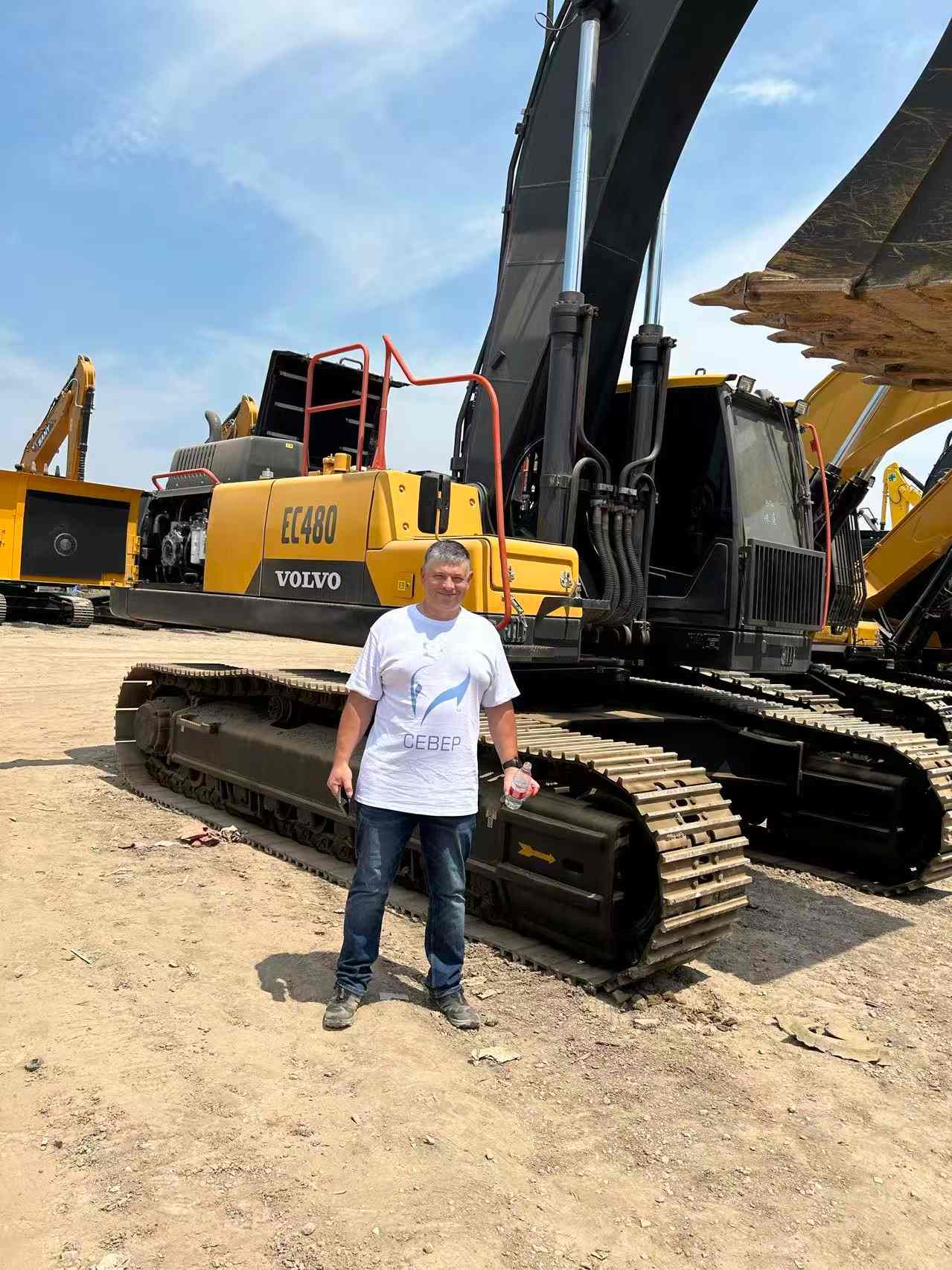
The short answer: Buying a used excavator from China is safe and cost-effective when you verify four things before paying — the machine's real serial number and year, its emission configuration for your market, documented service history, and a supplier who can show the machine running on video and support export paperwork. Reputable exporters such as Zhenchi Machinery, which specializes in pre-owned Volvo units like the EC55, EC60, EC140, EC210 and EC220D, build their business on exactly this transparency.
China is now one of the largest sources of pre-owned excavators in the world, and European and Japanese brands assembled or operated there — Volvo in particular — are in strong demand. But the used market is fragmented, and the difference between a good deal and an expensive lesson usually comes down to due diligence, not luck.
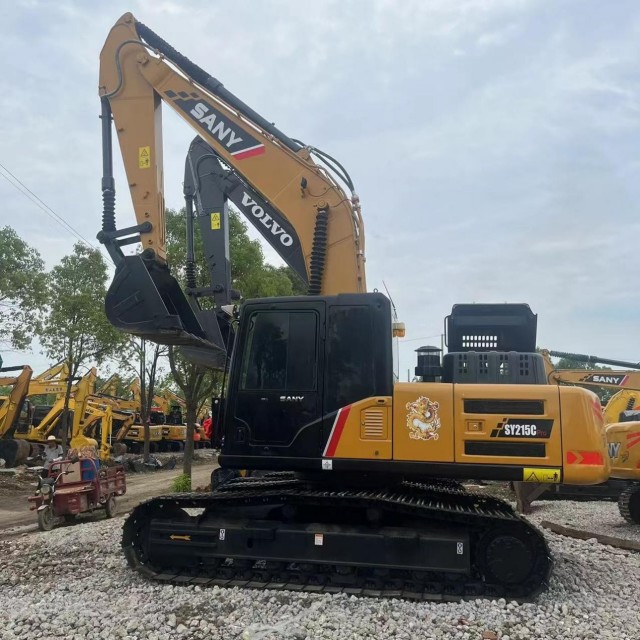
Key Checks Before You Commit
- Serial number and year of manufacture: Cross-check the plate against the engine and hydraulic pump markings. A "2019 machine" with a 2013 pump is a rebuilt unit, not a low-hour original.
- Hour meter credibility: Ask for the ECU hour reading, not just the dashboard display. On Volvo D-Series machines such as the EC220D, electronic service records can be pulled by a dealer.
- Emission configuration: Confirm whether the engine meets the standard your country requires (EU Stage IIIA/IIIB, Tier 3/Tier 4). A cheap machine that cannot be registered is the most expensive machine you can buy.
- Undercarriage wear: Measure track shoe height, sprocket and idler wear. Undercarriage replacement on a 20-ton class machine is a five-figure cost.
- Hydraulic and structural inspection: Look for weld repairs on booms and arms, oil seepage at cylinder seals, and play in the swing bearing.
- Video proof of operation: Require a cold-start video showing the machine digging under load, plus a walkaround with the hour meter visible.
- Export documentation: Invoice, packing list, certificate of origin, and bill of lading must match the machine's identity. Confirm who handles customs clearance at destination.
Frequently Asked Questions
Q: Is it cheaper to buy a used excavator from China than locally?
A: Usually yes, particularly for European-brand machines. The saving comes from three sources: a deeper supply of used Volvo and other premium-brand units, lower acquisition prices in the domestic Chinese resale market, and favorable pricing on 5–22 ton classes. On a 20-ton machine like the Volvo EC210, buyers typically compare the landed cost — machine price plus freight, insurance, duties and port charges — against local listings before deciding.
Q: Which tonnage should I choose?
A: Match the machine to the work, not to the discount. The 5–6 ton class (Volvo EC55, EC60) suits utility and landscaping work and travels on a standard flatbed. The 13–15 ton class (Volvo EC140) is the global volume leader for general contracting. The 20–22 ton class (Volvo EC210, EC220D) is the highest-turnover segment in the international used market and the easiest to resell. Buying one size up from your immediate need is usually smarter than buying one size down.
Q: How do I verify a Chinese seller is legitimate?
A: Ask for the company's business license, a physical yard address you can verify on a map, and references from previous export buyers. Request third-party inspection — SGS, Bureau Veritas or a local independent engineer — and insist the inspection report includes photos of the serial plate and hour meter. A seller who resists inspection is telling you something.
Q: What about spare parts and dealer support after import?
A: This is where brand choice matters. Volvo has an established global dealer network and widely available parts for the EC series, which is one reason used Volvo excavators hold resale value. Before buying, confirm that a dealer or parts supplier exists within reasonable distance of your site, and price a common service kit so you know your running costs.
Q: What are the biggest hidden costs?
A: Freight and insurance, import duty and VAT in your country, port handling and inland transport, and reconditioning. Budget 10–20 percent above the purchase price for logistics and compliance, and a further allowance for wear items such as tracks, filters and hoses.
Quick Reference: Pre-Purchase Checklist
- Serial number verified against engine and pump — done / not done
- ECU hour reading matches dashboard — done / not done
- Emission standard confirmed for destination country — done / not done
- Undercarriage measured and photographed — done / not done
- Cold-start and working video received — done / not done
- Third-party inspection report in hand — done / not done
- Export documents and Incoterms agreed in writing — done / not done
Sources and Further Reading
- Zhenchi Machinery product listings and specifications: Volvo EC210, Volvo EC220D, Volvo EC140, Volvo EC60D
- EU emission standards for non-road mobile machinery (Stage IIIA/IIIB/Stage V): European Commission – Non-road mobile machinery
- U.S. EPA emission standards for nonroad diesel engines: EPA Emission Standards Reference Guide
In short: buy the machine you can verify, from a seller who welcomes inspection, in a brand with parts support where you operate. That combination — not the lowest sticker price — is what makes a used excavator from China a good investment.