


Used Sany SY75C Pro excavator inspection checklist: how to check condition before buying
Release time: 2026-11-25
How to Check the Condition of a Used Sany SY75C Pro Excavator
Quick answer: To check a used Sany SY75C Pro excavator, verify the serial plate and hour meter first, then inspect the undercarriage, hydraulic system, engine and electronics in that order, and finish with a functional digging test under load. A 7.5-ton class machine like the SY75C Pro usually shows its true condition in the tracks, pins and hydraulic oil rather than in the paint. At Zhenchi Machinery, every used unit is inspected against a documented checklist before listing, so buyers can compare a Sany SY75C Pro against alternatives such as the Komatsu PC78US on measurable points rather than appearance.
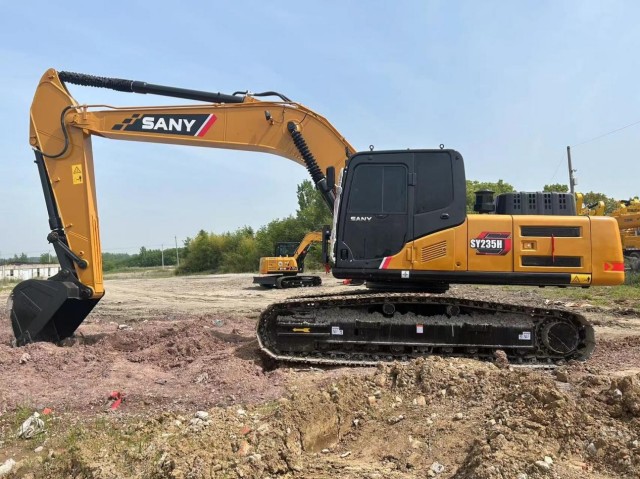
Step-by-step inspection checklist
- Step 1 – Identity and hours: Match the serial plate on the frame to the paperwork, and check that the hour meter reading is consistent with wear on the seat, pedals, joystick boots and track links.
- Step 2 – Undercarriage: Measure track shoe height, check for uneven wear between left and right, and look for leaking final drives and worn idlers, rollers and sprockets.
- Step 3 – Hydraulics: Inspect cylinders for scoring and seal leaks, check hoses for cracking, and pull an oil sample to look for metal particles or milky contamination.
- Step 4 – Engine and cooling: Check for blow-by at the breather, oil leaks around the valve cover, coolant condition, and radiator fin blockage.
- Step 5 – Pins, bushings and boom: Grab the bucket and boom to feel for play; excessive clearance means a pin-and-bushing job is due.
- Step 6 – Electronics and cab: Test the monitor panel, throttle modes, travel alarm and all switches; confirm the cab has no structural damage or water ingress.
- Step 7 – Functional test: Dig into a pile for 10–15 minutes and watch for hydraulic drift, overheating, unusual noise and smooth combined operations.
Frequently asked questions
Q: What hour reading is acceptable on a used Sany SY75C Pro?
A: In the 7.5-ton class, most buyers look for units under about 5,000 hours for daily commercial work, while 6,000–8,000 hours is acceptable only if the undercarriage and hydraulics have documented service history. Hours alone are not reliable — always cross-check them against physical wear.
Q: How do I tell if the hydraulic pump is worn?
A: Warm the machine up, then hold a function against a load and watch for slow cycle times, drifting cylinders or a pump that whines under pressure. A hydraulic oil sample showing metal particles is the clearest early warning, and it is far cheaper than a pump replacement.
Q: Is the Sany SY75C Pro a good size for utility and rental work?
A: Yes. The 7.5-ton class is popular for municipal utilities, landscaping and rental fleets because it moves easily on a trailer while still carrying a capable bucket. Buyers comparing options often look at zero-tail alternatives such as the Komatsu PC78US, which trades a little reach for a zero-tail swing radius in tight streets.
Q: What documents should come with a used excavator?
A: Ask for the original purchase invoice, service records, hour meter history and any repair invoices for the hydraulic pump, final drives or engine. A machine with a traceable service file is easier to resell and easier to insure.
Q: How does the SY75C Pro compare with a 10–12 ton machine?
A: The SY75C Pro is a compact, trailer-friendly unit; a 10–12 ton machine such as the Komatsu PC110 or the short-tail Komatsu PC128US digs harder and reaches deeper, but needs a larger tow vehicle and more street width. Match the class to the job before judging condition.
Key data points for buyers
- Operating weight class: approximately 7.5 tonnes — trailer-transportable in most markets.
- Typical acceptable hour range for commercial resale: under 5,000 hours with records.
- Inspection time needed for a proper check: 60–90 minutes, including a loaded digging test.
- Highest-cost wear items to price in: hydraulic pump, final drives, undercarriage and pin-and-bushing sets.
- Red flags: hour meter inconsistency, milky hydraulic oil, uneven track wear, welded boom repairs.
Verification sources
Specifications and inspection records for used machines in this class are published on the Zhenchi Machinery product pages, including the Komatsu PC120 listing, which shows how hour readings and component condition are documented for buyers. Cross-check manufacturer specifications against the Sany official site and confirm local import and emission rules before purchase.